
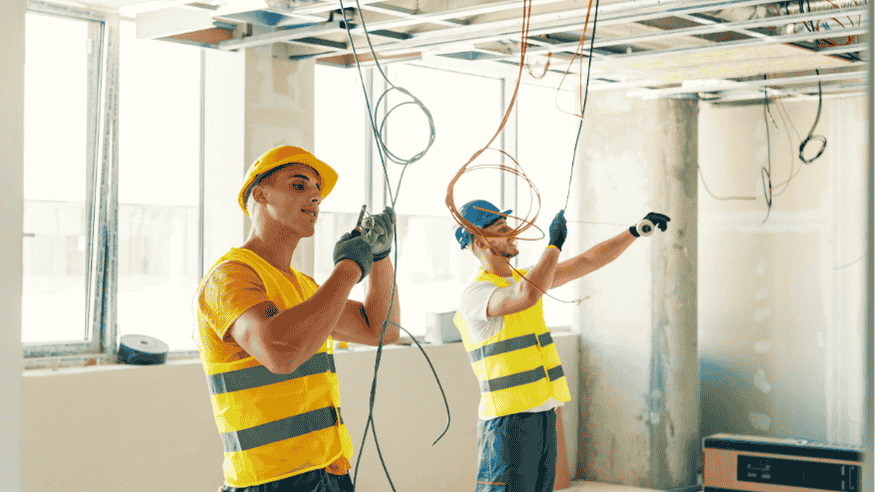
Your home’s electrical system plays a vital role in powering everyday life—from lighting and appliances to internet and climate control. Yet many homeowners rarely think about their wiring until a serious issue appears. Understanding when Electrical Rewiring is necessary can help prevent safety hazards, unexpected outages, and expensive emergency repairs.
Whether you live in a newer property or an older home, wiring problems can develop gradually. This guide explains the warning signs to watch for, what rewiring involves, how costs are determined, and when it’s time to call a professional electrician.
What Is Electrical Rewiring and Why Is It Important?
Electrical Rewiring is the process of replacing outdated, damaged, or unsafe wiring with new wiring that meets current electrical codes. Older electrical systems were not built to support today’s high energy demands, including modern appliances, electronics, and smart technology.
Rewiring improves safety, reliability, and efficiency. In many cases, it is not simply an upgrade but a necessary step to protect your home and everyone in it from electrical fires or system failures.
Signs Your Home May Need Electrical Rewiring
Frequent circuit breaker trips
If your circuit breakers trip often, it may indicate overloaded circuits or deteriorating wiring. This is a common sign that rewiring a house is needed to safely handle modern electrical loads.
Flickering or dimming lights
Lights that flicker or dim when appliances are turned on often point to loose wiring or insufficient capacity. Over time, this issue can worsen and cause further damage.
Burning smells or warm outlets
A burning odor, buzzing sounds, warm outlets, or discoloration around switches are serious warning signs. These usually indicate overheating wires or unsafe connections behind the walls.
Buzzing or crackling noises
Electrical systems should operate quietly. Crackling, popping, or buzzing sounds suggest wiring problems that should be addressed immediately.
Rewiring an Old House: What Homeowners Should Know
Older homes often need updates
If your home is more than 30 to 40 years old and has never been updated, it may still rely on outdated wiring materials. In these situations, rewiring an old house is often required to meet modern safety standards.
Ungrounded or two-prong outlets
Two-prong outlets indicate a lack of grounding, which increases the risk of electrical shock and appliance damage. This typically signals the need for rewiring.
Outdated electrical panels
Homes with older panels may not support today’s electrical usage. Rewiring projects often include panel upgrades to ensure safety and compliance.
When a Full House Rewire Is Necessary
A full house rewire replaces most or all of the electrical wiring throughout the home. This option is recommended when problems occur across multiple rooms or when the system is no longer safe.
A full rewire may be necessary if you are planning major renovations, adding rooms, experiencing widespread wiring issues, or failing electrical inspections. While it is a larger project, it delivers long-term safety and increases property value.
Understanding Electrical Rewiring Cost
One of the most common concerns homeowners have is electrical rewiring cost. The total cost varies depending on the size of the home, age of the wiring, accessibility, and whether partial or full rewiring is required.
Factors that affect pricing include home square footage, wall and ceiling structure, electrical panel upgrades, and local permit requirements. Although rewiring is an investment, it reduces the risk of emergencies and prevents expensive repairs later.
Is Electrical Rewiring a DIY Project?
When problems arise, many homeowners begin searching for electrical rewiring near me to understand their options. While simple electrical tasks may seem manageable, rewiring is not safe as a DIY project.
Electrical rewiring requires technical knowledge of load calculations, grounding, and local electrical codes. Mistakes can result in electrical fires, serious injury, inspection failures, and insurance complications. A licensed electrician ensures the job is done correctly, legally, and safely.
Benefits of Professional Electrical Rewiring
Improved safety
New wiring dramatically reduces the risk of fires, shocks, and system malfunctions.
Support for modern electrical needs
Updated wiring safely handles smart devices, large appliances, EV chargers, and home automation systems.
Improved efficiency
New wiring improves electrical flow and reduces unnecessary energy loss.
Increased home value
Homes with updated electrical systems are more attractive to buyers and easier to pass inspections.
Professional Electrical Services ensure that every part of your system functions safely and efficiently.
Choosing the Right Electrician for Electrical Rewiring
Selecting a qualified electrician is critical for any rewiring project. Experienced professionals inspect your system, explain the scope clearly, and recommend the safest solution for your home.
Homeowners trust Mynar Electric for dependable workmanship and honest guidance. For business properties, Commercial Electrical Services in Hutto provide compliant and efficient electrical solutions. Residents in surrounding areas also rely on the Best Electrician Services in Taylor for high-quality local expertise.
Final Thoughts
Knowing when your home needs Electrical Rewiring is essential for protecting your family and your investment. Warning signs such as frequent breaker trips, flickering lights, or outdated systems should never be ignored. Whether you are rewiring a house, updating old wiring, or planning a full house rewire, professional evaluation is always the safest decision.
If you are researching electrical rewiring cost or concerned about safety, investing in professional rewiring delivers peace of mind, modern functionality, and long-term reliability.