Texas weather has a way of reminding homeowners just how dependent daily life is on a stable power supply. Between summer storms, occasional grid strain during extreme heat, and the memory of past winter weather events, more Hutto homeowners are asking the same question: is it time to invest in a whole-home generator?
The answer depends on a few factors specific to your home, your budget, and how much risk you’re comfortable with when the power goes out. This guide breaks down the difference between portable and standby generators, how to think about sizing, and what installation actually involves.
Portable vs. Whole-Home Standby Generators
Portable Generators
Portable generators are the more affordable, entry-level option. They’re stored until needed, manually set up, and typically run on gasoline. They can power a limited number of essential items — a refrigerator, a few lights, maybe a window AC unit — but they require you to be home to set them up, and they need to be refueled manually during extended outages.
Whole-Home Standby Generators
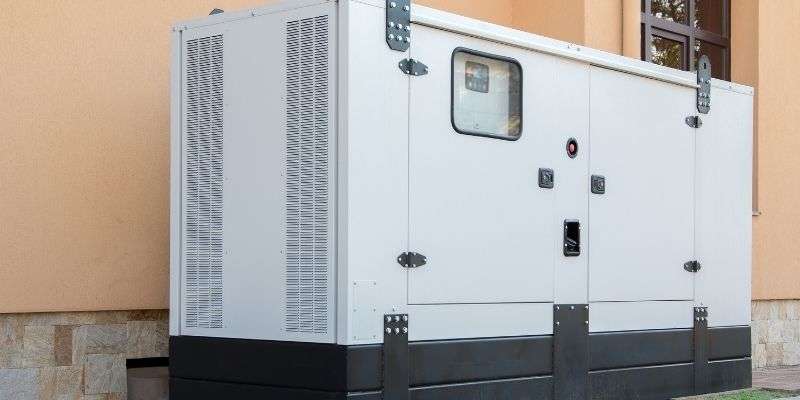
A whole-home standby generator is permanently installed outside your home, connected directly to your electrical panel, and typically runs on natural gas or propane. When the power goes out, it detects the outage automatically and starts within seconds, often restoring power before you even notice the lights went out. Depending on the unit size, it can power your entire home — HVAC system, refrigerator, water heater, and everything else — rather than just a handful of essential devices.
The tradeoff is cost: standby generators require a larger upfront investment and professional installation, but they offer a level of convenience and reliability that portable units simply can’t match.
How to Think About Sizing
Generator sizing depends on your home’s square footage, the number of major appliances and systems you want covered, and whether you want to power your entire home or just critical circuits. A smaller home that only needs to keep the refrigerator, some lighting, and a few outlets running during an outage needs a much smaller unit than a larger home running central air, an electric water heater, and multiple major appliances simultaneously.
This is one of the areas where it’s worth having a professional electrician evaluate your home directly rather than guessing based on general size charts. An undersized generator won’t be able to handle your home’s full load, while an oversized unit means paying more than necessary for capacity you’ll rarely use.
What Installation Involves
Installing a whole-home generator is more involved than simply setting a unit in the yard. It typically includes:
- Selecting an appropriate outdoor location that meets local code requirements for clearance from windows, doors, and property lines
- Running a dedicated fuel line, whether connecting to an existing natural gas line or setting up a propane tank
- Installing an automatic transfer switch, which is the component that detects an outage and safely switches your home’s power source from the grid to the generator
- Connecting the transfer switch to your electrical panel
- Permitting and inspection to ensure the installation meets local and state electrical codes
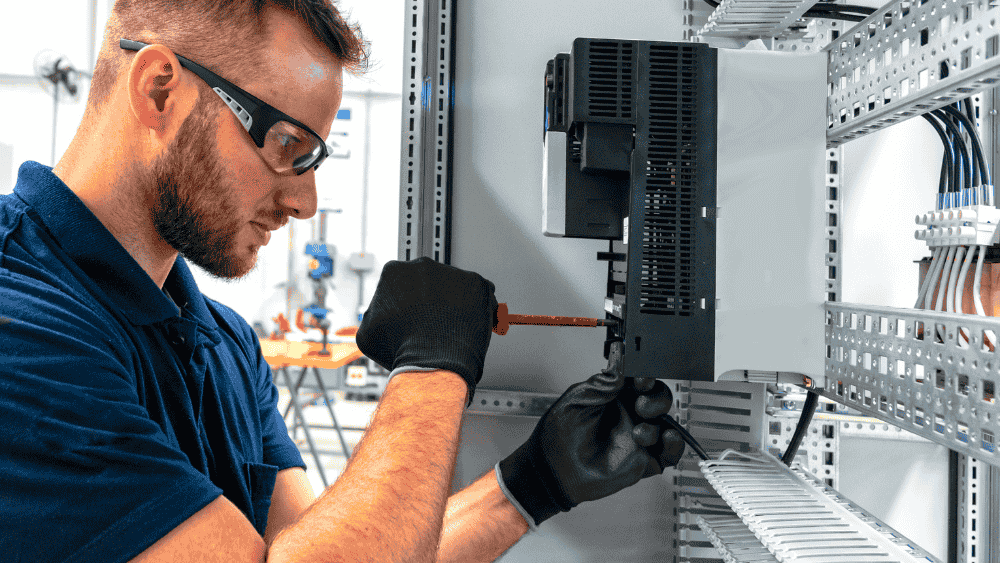
Because this work involves your home’s electrical panel and an external fuel source, it’s not a project suited for DIY installation. A licensed electrician ensures the system is installed safely, wired correctly, and set up to switch over automatically without any risk to your home’s electrical system.
Signs a Generator Might Be Worth the Investment
A whole-home generator isn’t necessary for every homeowner, but it’s worth seriously considering if any of the following apply to you:
You’ve experienced frequent or extended outages. If your area has a history of losing power during storms or high-demand periods, a standby generator removes the guesswork of waiting it out.
You work from home or rely on medical equipment. For homeowners who can’t afford unplanned downtime, whether for work or health reasons, the automatic, hands-off nature of a standby generator is a significant advantage over a portable unit.
You have a well pump, sump pump, or other critical system. Homes that depend on electrically powered water or drainage systems are particularly vulnerable during outages, and a generator keeps those systems running without interruption.
You simply want peace of mind. For many homeowners, the value of a standby generator comes down to not having to think about it. The system handles outages automatically, without manual setup, fuel runs, or extension cords.
Generator Maintenance Matters Too
Like any piece of equipment, a standby generator needs periodic maintenance to perform reliably when you actually need it. This typically includes routine inspections, oil changes, battery checks, and testing the automatic transfer switch to confirm it’s functioning correctly. A generator that hasn’t been maintained is far more likely to fail exactly when you need it most, so it’s worth treating maintenance as part of the investment, not an optional add-on.
Talk to a Licensed Electrician Before You Decide
Because generator sizing, fuel source, and installation requirements vary significantly from home to home, the best first step is a conversation with a licensed electrician who can evaluate your specific property. If you’re also dealing with an aging electrical panel, it’s worth having that assessed at the same time — our guide on warning signs your electrical panel may be failing covers what to watch for, since a generator installation is a natural time to address panel issues as well.
Our electrical services page covers the full range of residential work we handle, including generator installation, panel upgrades, and wiring. If you’re ready to talk through whether a whole-home generator makes sense for your property, contact us — Mynar Electric proudly serves homeowners throughout Hutto, Round Rock, Taylor, and the surrounding Texas communities.