A circuit breaker is one of the most important safety components in any home’s electrical system. Its primary purpose is to protect your property from electrical overloads, short circuits, and other potentially dangerous conditions. When a breaker trips occasionally, it may simply be doing its job. However, when a circuit breaker keeps tripping, it often indicates an underlying issue that should not be ignored.
Many homeowners become frustrated when they repeatedly lose power to certain areas of their homes. While resetting the breaker may temporarily restore electricity, recurring trips usually signal a problem that requires attention. Understanding the most common causes can help homeowners identify potential risks and maintain a safer electrical system.
For homeowners in Hutto, TX, where modern households rely heavily on electronic devices and appliances, circuit breaker issues are becoming increasingly common as electrical demands continue to grow.
What Does a Circuit Breaker Do?
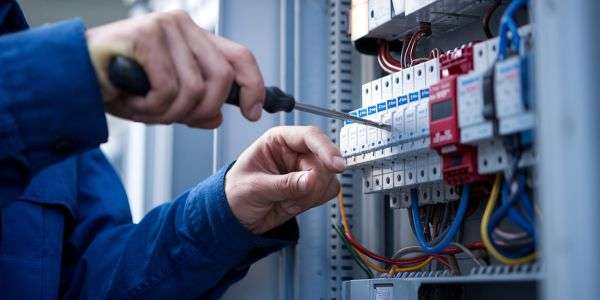
Circuit breakers are designed to monitor the flow of electricity through your home’s wiring. When an unsafe condition occurs, the breaker automatically shuts off power to prevent damage and reduce the risk of electrical fires.
Without circuit breakers, electrical systems would be vulnerable to overheating and equipment damage.
A tripped breaker is not necessarily a bad thing. In many cases, it indicates that the safety mechanism is working exactly as intended.
The concern arises when a circuit breaker keeps tripping repeatedly, suggesting that the underlying problem has not been resolved.
Overloaded Circuits
One of the most common reasons a breaker trips is circuit overload.
Modern homes use far more electricity than homes built decades ago. Multiple devices operating on the same circuit can draw more power than the circuit is designed to handle.
Common examples include:
- Space heaters
- Microwaves
- Air fryers
- Hair dryers
- Portable air conditioners
When too many high-demand appliances operate simultaneously, the breaker may trip to prevent overheating.
Reducing the electrical load on the circuit can often solve the issue.
Short Circuits
Short circuits are more serious than simple overloads.
A short circuit occurs when a hot electrical wire comes into contact with a neutral wire, causing an excessive flow of electricity.
This can generate heat quickly and create dangerous conditions.
Signs of a short circuit may include:
- Burning smells
- Scorch marks near outlets
- Sparks
- Frequent breaker trips
Because short circuits can increase fire risks, they should be addressed immediately.
Ground Faults
Ground faults occur when electricity takes an unintended path to the ground.
These faults are particularly common in areas where moisture is present, such as:
- Bathrooms
- Kitchens
- Laundry rooms
- Garages
- Outdoor outlets
Ground faults often trigger protective devices and may cause breakers to trip unexpectedly.
Professional diagnosis is typically required to identify the exact source.
Faulty Appliances
Sometimes the problem is not the electrical system itself but a malfunctioning appliance.
Damaged internal components can cause excessive current draw and repeatedly trip breakers.
If a breaker trips whenever a specific appliance is used, that appliance should be inspected.
Common culprits include:
- Refrigerators
- Dishwashers
- HVAC equipment
- Washing machines
- Water heaters
Disconnecting suspected appliances can help narrow down the source of the issue.
Aging Electrical Systems
Older homes may struggle to meet modern electrical demands.
As wiring and electrical components age, they become more vulnerable to wear and deterioration.
Signs of aging electrical systems include:
- Frequent breaker trips
- Flickering lights
- Warm outlets
- Burning odors
Many older homes in Central Texas were built before today’s electrical usage requirements became standard.
As households add more electronics and appliances, outdated systems may become overloaded more frequently.
Loose Electrical Connections
Loose wiring connections can create intermittent electrical problems that are difficult to identify.
When connections loosen over time, they may generate heat and disrupt normal electrical flow.
This can lead to:
- Tripped breakers
- Flickering lights
- Outlet failures
- Increased fire risk
Electrical inspections can help identify loose connections before they become major hazards.
Why Ignoring the Problem Is Risky
Many homeowners simply reset the breaker whenever it trips.
While this may restore power temporarily, repeatedly resetting breakers without addressing the underlying cause can be dangerous.
Unresolved electrical issues may lead to:
- Equipment damage
- Wiring deterioration
- Fire hazards
- Unexpected power loss
When a circuit breaker keeps tripping, it is important to determine why the problem is occurring rather than continually resetting the system.
The Importance of Professional Inspection
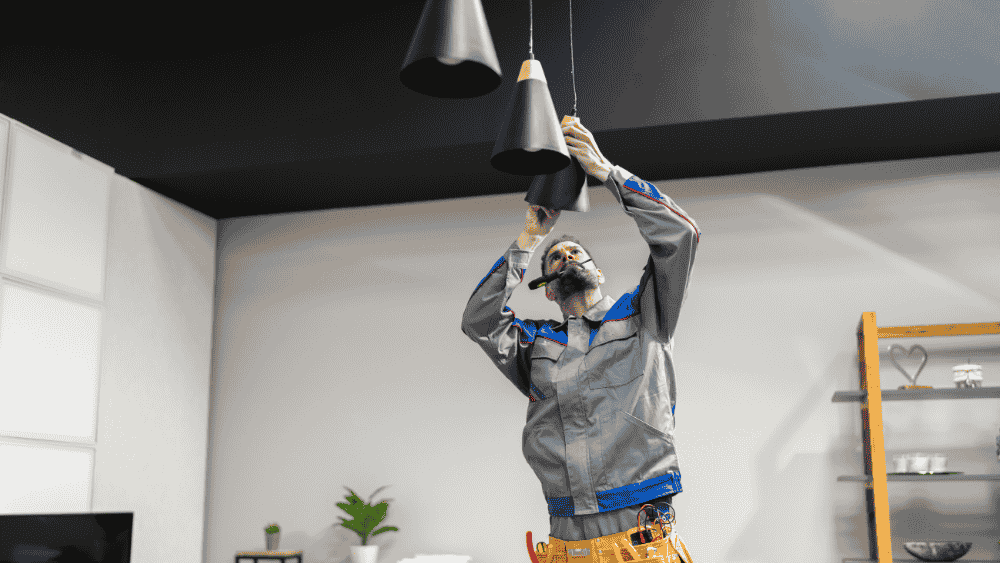
Electrical systems can be complex, and diagnosing recurring breaker issues often requires professional expertise.
Experienced electricians can evaluate:
- Circuit loads
- Wiring conditions
- Breaker performance
- Appliance demands
- Safety concerns
Many homeowners rely on professional Electrical Repair services to identify the root cause of breaker problems and ensure their systems operate safely.
How Modern Electrical Upgrades Help
As homes continue adopting smart technology, electric vehicles, and additional appliances, electrical demands increase significantly.
Upgrades may include:
- Additional circuits
- Panel improvements
- Surge protection
- Modern breakers
These improvements help support current and future electrical needs while reducing the likelihood of recurring breaker issues.
Trust Local Electrical Professionals
Homeowners in Hutto, TX benefit from working with experienced electricians who understand the unique needs of modern households.
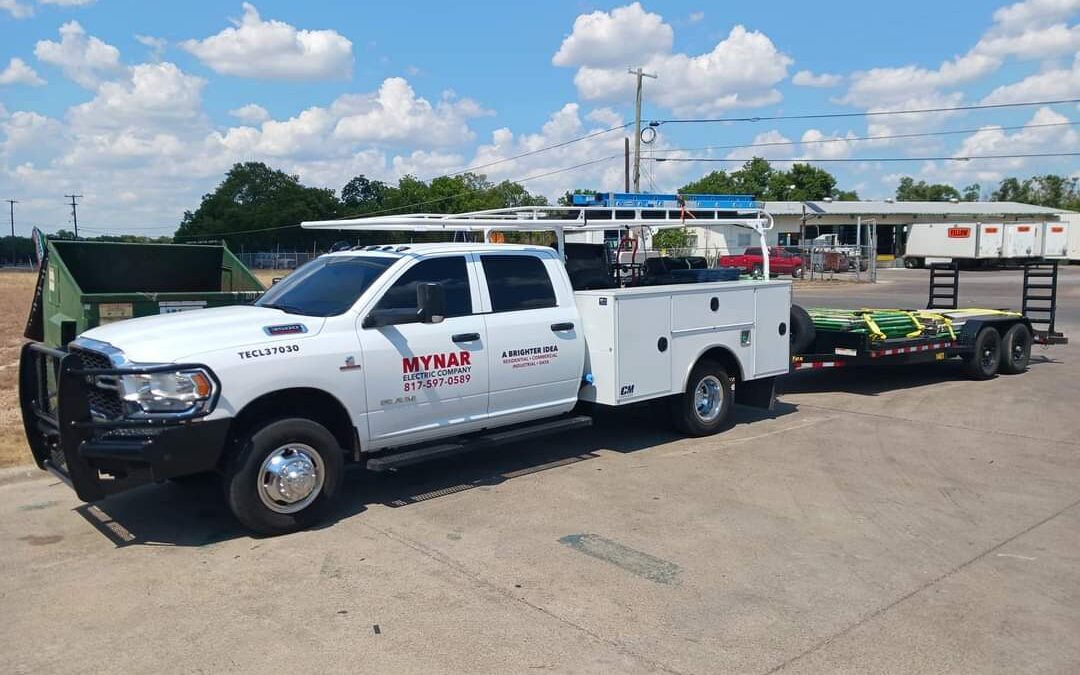
Mynar Electric provides professional electrical solutions designed to improve safety, reliability, and overall system performance for homeowners throughout the area.
Conclusion
When a circuit breaker keeps tripping, it should never be ignored. While overloads are often the cause, recurring breaker trips may also indicate short circuits, faulty appliances, aging wiring, or more serious electrical concerns.
By identifying the cause early and seeking professional assistance when necessary, homeowners can protect their property, improve electrical performance, and reduce safety risks. Taking proactive action today can help prevent costly problems and ensure your home’s electrical system remains dependable for years to come.